
Few nations on earth have woven gambling so deeply into the fabric of their cultural identity as Britain. From the muddy racecourses of the eighteenth century to the sophisticated digital platforms of today, British sports betting has undergone a remarkable transformation that reflects broader shifts in society, technology, and regulation. Understanding these patterns is not merely an exercise in nostalgia — it offers genuine insight into how millions of people engage with sport, risk, and entertainment. The story of British sports betting is one of evolution, adaptation, and enduring passion, shaped by legislation, innovation, and the unpredictable nature of sport itself.
Britains relationship with sports betting stretches back centuries, rooted in a culture that has long celebrated competition and the acceptance of calculated risk. Horse racing, often described as the sport of kings, served as the primary vehicle for organised wagering from at least the early seventeenth century. By the reign of Charles II, Newmarket had already established itself as the spiritual home of British racing and betting, with the monarch himself a passionate participant. Bookmaking as a profession began to emerge in the late eighteenth century, when entrepreneurial figures stationed themselves at racecourses to offer fixed odds to punters willing to back specific horses.
The nineteenth century brought significant structural changes. The proliferation of railway networks allowed working-class bettors to travel to racecourses in greater numbers, democratising a pastime previously dominated by the aristocracy and gentry. Off-course betting, however, remained largely illegal and was pushed underground into a network of street bookmakers and informal credit arrangements. The Street Betting Act of 1906 formalised the prohibition of cash betting away from racecourses, a measure that paradoxically entrenched illegal bookmaking operations in urban communities throughout England, Scotland, and Wales. Millions of working-class Britons continued to place bets through illicit runners and back-street establishments, demonstrating that demand for sports wagering was fundamentally immune to legislative suppression.
The landmark Betting and Gaming Act of 1960 represented the most consequential shift in British gambling history. Passed under Harold Macmillans Conservative government, the legislation legalised off-course cash betting shops for the first time. Within just three years of its passage, over 10,000 licensed betting offices had opened across the country. This figure eventually climbed to approximately 16,000 shops at the industrys peak in the mid-1960s. The betting shop became a recognisable feature of the British high street, a social institution with its own rituals, language, and community. Football pools, pioneered by companies such as Littlewoods and Vernons, simultaneously attracted millions of participants who saw the weekly pools coupon as a legitimate path to transformative wealth.
Cricket, boxing, and greyhound racing also commanded substantial betting interest throughout the mid-twentieth century. Greyhound racing in particular flourished as an urban working-class sport, with tracks in London, Manchester, and Birmingham drawing enormous crowds and significant wagering activity. The sport reached its zenith in the late 1940s and 1950s before gradually declining as television brought alternative entertainment into British homes. Nevertheless, these historical patterns established the foundational betting culture that would eventually transition into the digital era.
British gambling regulation has always played a decisive role in shaping the patterns of sports betting behaviour. The Gambling Act of 2005, which came into full effect in 2007, represented the most comprehensive overhaul of gambling law since 1960. The legislation established the Gambling Commission as the independent regulatory authority responsible for licensing operators, protecting consumers, and preventing crime. Crucially, the Act also liberalised advertising restrictions, allowing bookmakers to market their services on television and radio for the first time without significant limitations. The consequences were immediate and profound: gambling advertising expenditure increased dramatically, and sports betting became increasingly normalised as part of mainstream sports consumption.
The relationship between football and betting underwent a particularly significant transformation following the 2005 Act. Premier League shirt sponsorships by bookmakers became commonplace, and the integration of in-play betting odds into televised match coverage created new forms of engagement for viewers. Research conducted by the Gambling Commission in subsequent years consistently found that football was the most popular sport for British bettors, accounting for the largest share of online sports betting revenue. The introduction of in-play or live betting fundamentally altered wagering patterns, shifting activity away from pre-match markets and enabling bettors to respond to unfolding events in real time.
The rise of online betting platforms accelerated through the 2010s, and analytical resources became increasingly important to bettors seeking an informational edge. Platforms such as Betzoid emerged to serve this growing demand, providing comparative analysis of bookmaker offerings, odds evaluations, and structured information that helped bettors navigate an increasingly complex marketplace. The availability of such resources reflected a broader maturation of the British betting public, who increasingly approached wagering with greater analytical rigour rather than relying solely on intuition or loyalty to a single operator.
The Fixed Odds Betting Terminal controversy represented one of the most contentious regulatory battles of the modern era. These electronic machines, which allowed punters to stake up to £100 every twenty seconds on virtual roulette and other games, had proliferated in high street betting shops following their introduction in the early 2000s. Critics, including public health advocates, local councils, and cross-party politicians, argued that FOBTs caused disproportionate harm to vulnerable individuals and had transformed the character of the traditional betting shop. After years of campaigning, the government reduced the maximum stake to £2 in 2019, a decision that led to the closure of hundreds of betting shops across Britain and the redundancy of thousands of staff.
The migration of British sports betting from physical premises to digital platforms has been one of the defining commercial and social phenomena of the past two decades. Remote betting — conducted via websites and mobile applications — now accounts for the overwhelming majority of gross gambling yield in the sports betting sector. The Gambling Commissions annual statistics consistently demonstrate that online channels have eclipsed retail betting in terms of both participation and revenue. Mobile devices have been particularly transformative: the smartphone has effectively placed a fully functional betting terminal in the pocket of every adult in Britain, accessible at any moment during a sporting event.
Betting patterns in the digital era reflect both continuity and change. Football remains dominant, but the range of markets available to British bettors has expanded enormously. Where a bettor in the 1970s might have chosen between a handful of straightforward markets on a Saturday afternoon, todays punter can access hundreds of markets on a single Premier League fixture, ranging from first goalscorer and correct score to the number of corners in each half and the precise minute of the first booking. This proliferation of micro-markets has been driven by the capabilities of digital platforms and the data analytics infrastructure that underpins them.
Horse racing, while no longer the singular focus of British betting culture, retains a position of enormous cultural and commercial significance. The Cheltenham Festival, Royal Ascot, and the Grand National continue to generate betting volumes that dwarf most other sporting events in the calendar. The Grand National in particular functions as a national betting occasion, drawing participation from millions of casual bettors who rarely engage with gambling at other times of year. Survey data has consistently shown that the Grand National prompts a unique pattern of first-time or infrequent betting, particularly among women and older demographics who are otherwise disengaged from regular sports wagering.
Tennis, rugby union, cricket, and increasingly American sports such as basketball and NFL have also attracted growing betting interest among British audiences. The globalisation of sports broadcasting has exposed British bettors to a far wider range of competitions than previous generations could access, and bookmakers have responded by extending their market coverage accordingly. Esports betting, while still representing a relatively modest share of overall sports betting activity, has grown steadily and is likely to become increasingly significant as younger demographics who have grown up with competitive gaming reach adulthood.
Problem gambling and its social consequences have received increasing attention from policymakers, researchers, and the media throughout the 2010s and into the 2020s. The Gambling Commissions participation surveys have tracked a gradual decline in overall gambling participation rates over recent years, even as online betting has grown. This apparent paradox reflects the concentration of activity among a smaller but more engaged population of regular bettors, alongside the contraction of casual participation. The governments review of the 2005 Gambling Act, which culminated in a White Paper published in 2023, proposed a range of measures including affordability checks, stake limits on online slots, and enhanced requirements for operators to identify and intervene with customers showing signs of harm.
British sports betting has travelled an extraordinary distance from the illicit street bookmakers of Victorian cities to the sophisticated, data-driven digital platforms of the present day. Throughout this journey, the fundamental human impulses that drive wagering — the desire for excitement, the hope of gain, the engagement with sporting competition — have remained constant, even as the methods, markets, and regulatory environment have changed profoundly. Understanding these historical patterns and contemporary trends provides essential context for anyone seeking to comprehend the role that sports betting plays in British culture, commerce, and public policy. The conversation about how to balance individual freedom with consumer protection will continue to shape the industrys future in ways that are likely to be just as consequential as the transformations of the past.
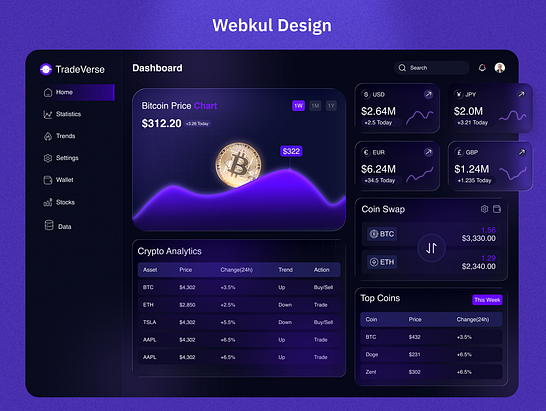
Crypto Trading Dashboard UI Development
22
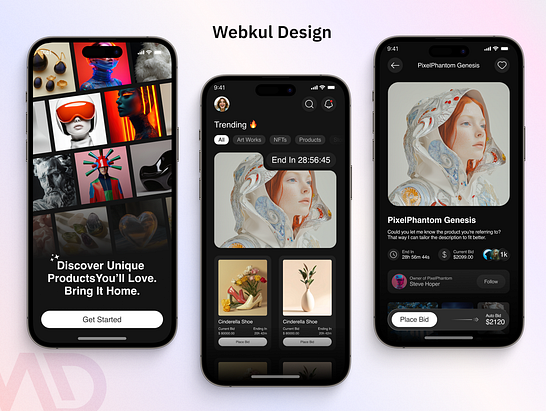
High-Performance Auction App Development
22

High-Performance Blogging Website Devlopment
22

eCommerce Experience with Smart AI Integration
22

AI Assistant App Development
22

Event Mobile App Development
22
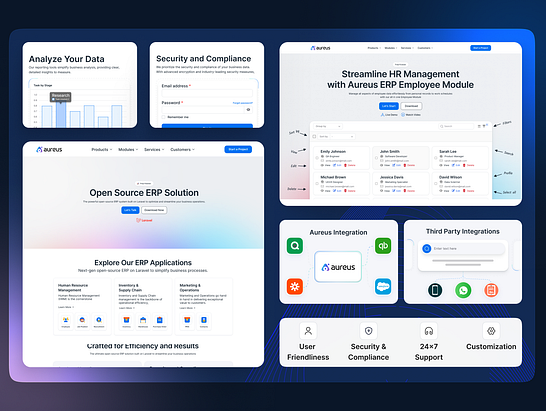
Aureus ERP
22
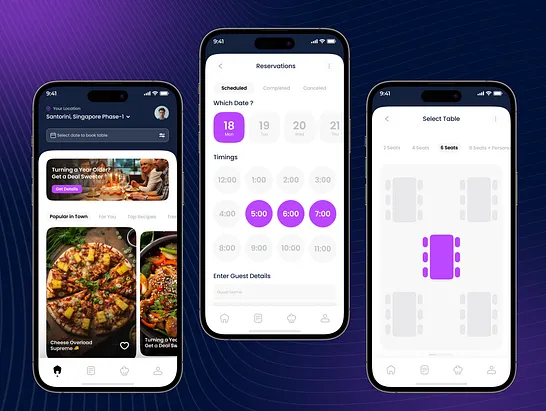
Restaurant Mobile App Development
22-12-2025
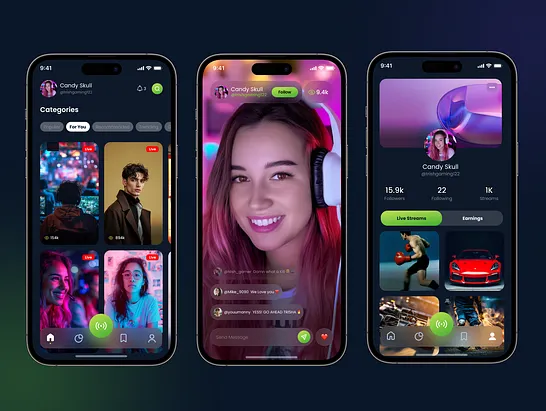
Live Streaming App Development
22-12-2025
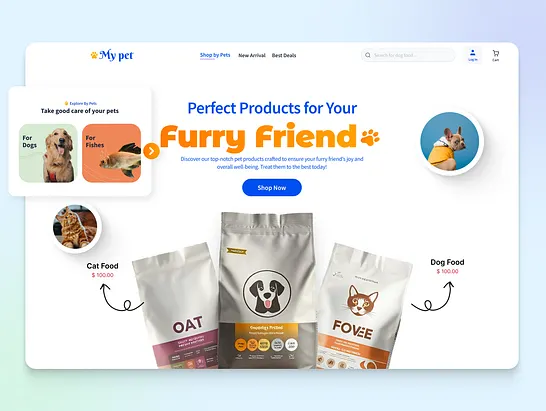
Pet Shop Development Services
22-12-2025
Whether you need a mobile app, icons or illustrations for your next exciting project, we have got you covered -
Our cutting-edge and distinctive design techniques can attract new customers and win their loyalty to your products. We offer the best web app design services and interfaces for various projects and devices.
Explore MoreOur mobile app designers offer the best design-driven development. We have succeeded in designing mobile apps UI-UX that stimulate users to continue using and adore them.
Explore MoreWe understand the significance of corporate branding and therefore offer the best corporate graphic designs that accentuate your company's message and draw attention to ideas.
Explore MoreWe design the best-looking progressive web apps that look impressive and deliver the best user experience on both smartphones and desktop platforms.
Explore MoreWe offer headless design services to build the best front end for decoupled architecture. You can control your entire content platform using a single interface with our headless design solution.
Explore MoreThe workflow is improved both internally and externally by data-driven design. It improves efficiency and the design team's ability to interact, while also optimising operational elements to give more direction for execution.
Explore MoreMake your videos stand out by using visually appealing motion graphics. We offer complete motion graphic animation services, which include visuals, typography, and straightforward motion graphics.
Explore MoreOffering complete POS UI-UX services to support custom layouts, visual components, and responsive designs. We create a point-of-sale interface that is intuitive and user-friendly.
Explore MoreWe specialize in offering cutting-edge 3D services that elevate your projects to new heights. With our expertise and passion for creativity, we bring your ideas to life in stunning three-dimensional detail.
Explore More


Mobikul - App Builder
Designed the app logo and defined the brand style guide to re-design the 100+ pages website.
Prototyped the end-user iOS and Android eCommerce mobile apps.

UVdesk - Helpdesk App
Worked on the logo, branding and digital assets for both the website and web-app.
Created Design System Manager (DSM) for enterprise-level to create 500+ states for Symfony based web- app.

Bagisto - Laravel eCommerce
Drawn illustrations, weaved icons and created style guides from scratch.
Designed component-oriented agile interface, for next-gen Laravel based eCommerce framework.

IVL - Independent Vital Life
Transformed traditional logo into bold & modern monogram for app use.
Designed an elegant and usablity focused Android app, keeping a strong eye on Material Design.
Get in touch
We love to connect!
Are you looking for something intuitive and functional?
You can either drop us an email at [email protected] or use the link below -
Start a projectAll types of businesses can modernise their infrastructure and products with the help of Webkul UI/UX design agency.
Website Design
Your company's website can make or break it. It only takes a few moments to decide how your site visitors will judge your website. The design is largely responsible for that initial impression.
To make your brand successful, you must have an expert UI UX designer. You're covered by the qualified web design services examined in this manual.
UI/UX design companies like Webkul, create user-centred website designs with meaningful user interfaces that are practical and satisfy users throughout the user experience. For our clients, we offer solutions that are applicable to everyday life.
Design of Mobile Apps
Webkul UI/UX design agency assists clients in creating mobile services that cultivate both short-term engagement and long-term client, lead, and supporter retention. We design useful products that customers adore using.
PWA Design
We offer PWA Design Services that give users an experience similar to using an app. It provides users with a quick experience and dependable effectiveness. Additionally, PWA provides customers with feasibility and convenience.
POS Design
We provide POS Design Services that help your retail store staff and streamline operations.
Headless Design Services
We offer a Headless Theme Design Service that improves website performance while offering users high levels of security and wonderful user experiences.
Motion Design
We provide motion design services that can assist you in reaching your marketing objectives by showcasing your product in excellent animated explainer videos and compelling narratives.
Design for Branding
Through powerful art and design, we assist in bringing your brand to life. Among the services we offer are designing logos, brochures, and merchandise.
Webkul’s UX UI designer makes use of the following UI tools.
Figma
Figma has all the capabilities that all UI/UX design companies need to make the design process efficient and effective. Since Figma is cross-platform compatible, sharing and editing have never been simpler. Utilising shared files, it supports the browser-based model and allows for real-time collaboration. Further, supporting integrations developed by third-party developers.
Sketch
The entire functionality for vector-based UI/UX design is provided by Sketch. Additionally, it offers superb UI UX designer toolkits that help create amazing designs. The UI/UX design agency's use of Sketch makes it easier and faster to produce cutting-edge designs. Although powerful on the inside, it is easy to use.
Adobe XD
An improvement over Adobe Photoshop is Adobe XD. The following tool is portable and offers designers and UX UI design companies frequent feature updates of high value. It enables the team to manage the entire procedure, starting with wireframing and ending with giving the design to developers. Numerous features for collaboration, design, layouts, animation, extensibility, etc. are covered by Adobe XD.
Adobe After Effects
A 2.5D animation programme called Adobe After Effects is used for compositing motion pictures, visual effects, and animation. It is also used for movie production, tele programs, and online video creation.
Many different kinds of effects are available in Adobe After Effects software, which is used to modify illustrations. Creating a single scene of different layers of images and videos.
Adobe Photoshop
Adobe Photoshop is a professional image editing software. It is widely used for photo editing, digital art, graphics design, and web design. Photoshop offers a wide range of tools and features, including layers, masks, color correction, filters, and brushes, that allow users to create and manipulate images in various ways.
Blender
Blender is a very well-known 3D programme because it is open-source and cost-free. An enormous community participates in the software updates. Blender is therefore better suited for freelancers and hobbyists, despite the fact that professionals still appreciate its strength as a 3D programme.
Adobe Premiere Pro
It is part of the Adobe Creative Cloud suite and is widely used by professionals in the film and television industry for editing, color correction, audio mixing, and visual effects creation. Adobe Premiere Pro offers a wide range of tools and features, including non-linear editing, multi-camera editing, motion graphics, and seamless integration with other Adobe Creative Cloud applications.
Here is the list of steps that are involved in the design process of the Webkul UI/UX design agency.
Discover
Our UI UX designer begins the discovery process and spends a lot of time learning about your company and everything that affects it. By noticing new details and adopting fresh viewpoints, we try to see the world as we do.
Define
After the discovery phase, the definition phase will follow in which we put everything together and attempt to make sense of all the possibilities that were noted in the discovery phase.
Design
Our original concepts, ideas, or solutions are developed, experimented with, and tested during the design stage. Our ideas are improved and refined through this iterative approach of trial and error. Before we present, we frequently consult with clients to discuss the general direction of our thoughts and ideas.
Deploy
Following that, the UI UX designer begins the development process. Agile development with frequent iterations and extensive testing is what we use for this process. We involve the client in all phases of the process to check and receive feedback on the various building-process components.
Our UI/UX design services are targeted at developing user interfaces that provide end-users with a smooth and intuitive experience during each digital contact.
User-Focused Design
In order to design user-focused and customer-centric experiences that improve the user journey, increase user engagement, and promote high conversion rates, we keep the target users in the foreground.
Detailed Multi-Vertical Knowledge
We are able to create solutions that deliver a seamless experience across all platforms thanks to our experience and deeper understanding of various domains.
Effectiveness
We create functional digital products with a focus on user experience (UX) that address users' problems in practical ways.
Efficiency
We design intuitive user interfaces that require little effort and give your users the most comfort possible.
Satisfaction
Our UI/UX design agency put a lot of emphasis on delight and joy in order to make your users feel joyful and upbeat throughout their journey.
Here is the list of the benefits of a good UX design for the business.
Improving Customer Satisfaction: The process of ensuring customer satisfaction takes time and requires careful planning. Numerous strategies are employed by UI UX design companies to attract new clients. An advantage is significantly increased for a business by a good user experience. With a website that is aesthetically pleasing design, it is simple to win over customers' trust.
Increasing Business Efficiency: The number of errors and the efficiency of the workflow is both improved by a strong UX system. A good UX enables users to concentrate on the most crucial information without getting sidetracked.
Boost Conversion Rates: None of the other techniques will work if your website and app are unable to draw visitors. Therefore, it is crucial for all UI/UX designers to place an emphasis on user involvement and take it into consideration when making design and aesthetic choices. Designers should therefore make each page of the website what the user should do next. A suggestion for improving user engagement with UI/UX design services is to be informative.
Making a product or website's user experience as positive and enjoyable as possible is the aim of UI UX branding. Here are some benefits of branding.
>> Great Branding Sets you apart from the competition
>> Branding is a great marketing tool
>> Branding Increases Business Efficiency
This can be achieved by designing an intuitive interface with a pleasing aesthetic, by getting rid of any steps or clutter, and by giving instructions that are clear and to the point.
We work with you to use meaningful art and design to bring your brand to life. Among the many services we provide are developing logos, brochures, and products.
We advertise ourselves as a new kind of branding agency and UI/UX design agency that specialises in direct-to-consumer brands, digital products, and tech firms.
All types of Industries can modernise their infrastructure and products with the help of Webkul design.
• E-Commerce
• Technology
• Real Estate
• Healthcare
• Manufacturing
• Education
• Hospitality
• Consumer Goods
• Finance
• Automotive
Making design decisions based on data rather than intuition or preference is the practice of data-driven design. The entire design process must be organised around gathering and analysing research, which calls for a sustained commitment and understanding of the importance of this data.
The data-driven design ensures the most effective user flow and facilitates customised design in response to user behaviour on your product.
The steps that Webkul takes to collect the data are as follows.
Flow Analysis of Users
Data-driven design, which promotes unique design in response to user behaviour on your product, ensures the most effective user flow.
Analytics
Each component of the product has detailed analytics collected. Throughout the entire product, we aim for perfection.
AB testing
A/B testing is a method for selecting the best designs by comparing different iterations with actual clients under realistic conditions.
The Webkul UI/UX design agency has a proven track record of increasing project conversion rates and customer satisfaction scores via the use of analytics data user flow and A/B testing methods.
With the help of motion graphics, your static images can become captivating showstoppers. The motion picture design tells compelling stories to showcase the elements of your products and services. UI UX design companies can use your existing resources or create something entirely new. Give UI UX designers the freedom to carry out their imaginative vision.
The steps Webkul UI/UX design agency takes when creating motion graphics are listed below.
Project Summary
With you, we'll arrange a kick-off meeting so that we can learn more about your brand and the precise requirements for your video.
Scripting
Based on your target audience and marketing objectives, we will use creative writing experts to create a video script that effectively conveys the desired message.
Frames and Storyboards
The storyboard that will depict the main action of the video will be created. You can view some scenes and the character's art design in style frames.
Animation
By including some cool music, sound effects, and voiceover at this point, we bring the final illustrations to life.
Delivery
The video is finally complete. You are prepared to advance your marketing campaign with your video.
Our UI UX designer uses the following methods to quantify the results.
Conversion Rates
Conversion rate is among the key elements. This counts the number of users who sign up, complete orders, make purchases, etc. on the site or who are new visitors.
Usability Testing
Usability testing involves evaluating a design's usability with a sample of users who represent the target audience. It can be performed for different kinds of designs and typically entails watching users as they attempt to complete tasks.
User Response
The user feedback gathered during the QA phase enables UI/UX design agency to see how actual users interact with your product. User feedback can help show whether the design outcome is favourable or unfavourable.
AB Testing
When making design changes, A/B tests help UI UX design companies avoid making assumptions. UI UX designers can compare two versions of a design element, such as calls to action (CTAs) or images on a landing page, in a test.

If you have more details or questions, you can reply to the received confirmation email.
Back to Home